

India and Japan sign pacts on AI, metals and energy after Modi-Takaichi talks
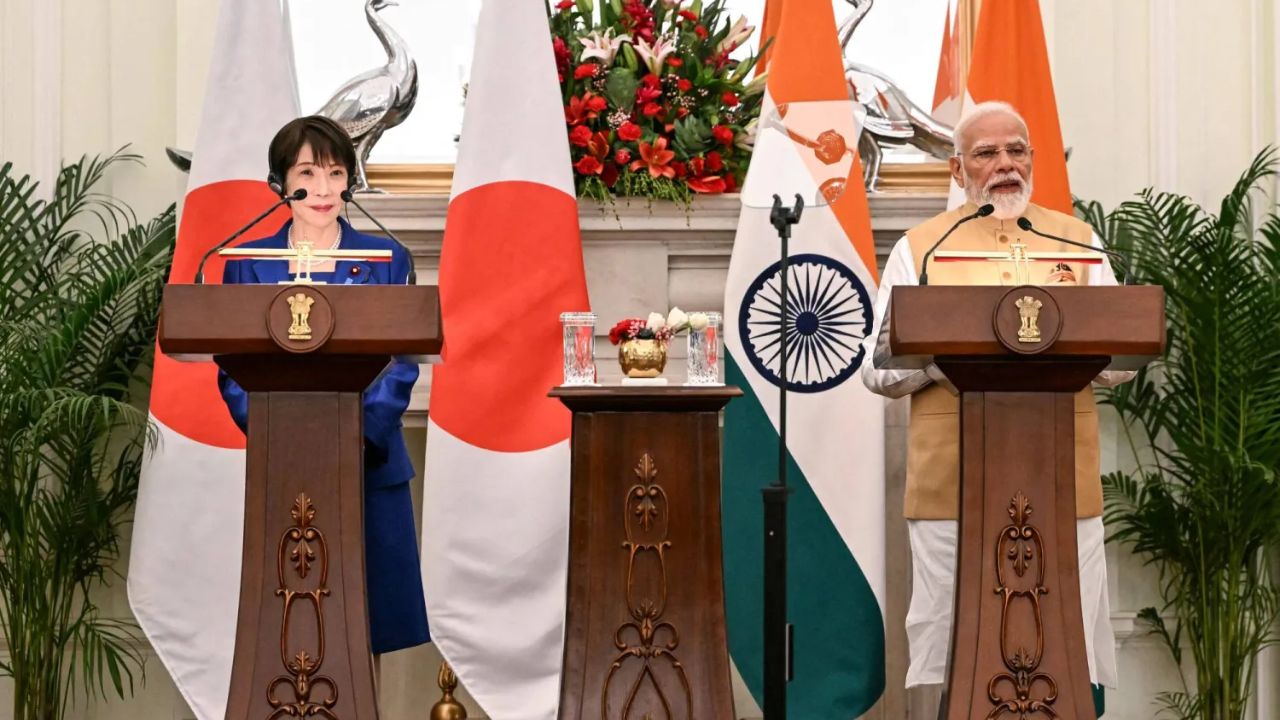
India and Japan sealed major deals on AI, critical metals and energy on July 2, 2026, as Tokyo’s PM made her first official trip to New Delhi.
India and Japan struck a wave of new agreements on artificial intelligence, critical minerals and energy security during a summit in New Delhi on July 2, 2026. It’s the 16th annual summit between the two countries, and it’s Japanese Prime Minister Sanae Takaichi’s first official visit to India since taking office.
The Big Numbers
Japanese companies are pouring serious money into India. Roughly 150 Japanese firms signed on to about 120 cooperation agreements, committing an estimated $12.5 billion in investment. That’s part of a much bigger 10-year goal: Japan wants to funnel 10 trillion yen (around $67 to $70 billion) into the Indian market by the mid-2030s.
Some of the specific deals reportedly include:
- Fujifilm partnering on a semiconductor materials plant
- Suzuki backing a biogas facility project
- Joint AI app-development ventures between Japanese and Indian startups
Why AI and Minerals Are the Headline
Modi and Takaichi are moving to lock in a long-term AI cooperation framework. The plan links up universities, research labs and tech companies in both countries to build AI tools tailored for manufacturing, healthcare and mobility — and to support multiple languages. Cybersecurity and the safety of the chips and data centers powering that AI are also part of the deal.
On top of that, the two countries are teaming up on critical minerals and semiconductors — supply chains the whole world depends on for everything from smartphones to electric vehicles.
Energy Security Gets a Boost, Too
With shipping lanes and energy markets rattled by conflicts in recent months, India and Japan are exploring ways to build up emergency LNG (liquefied natural gas) reserves together and share market intelligence, so neither country gets caught flat-footed if supplies get disrupted again.
Why This Matters to the US
Washington has leaned on both India and Japan as key partners in the Indo-Pacific, especially as tensions between Tokyo and Beijing have grown. A stronger India-Japan tech and energy alliance means less global reliance on Chinese-controlled supply chains for things like semiconductors and rare earth metals — a priority that’s been front and center in US trade and national security policy. It also signals more diversified AI and chip development outside of Silicon Valley and China, which could shape global tech competition for years to come.
What’s next: The summit runs through July 3, with more announcements and a formal joint statement expected before Takaichi wraps up her trip.